


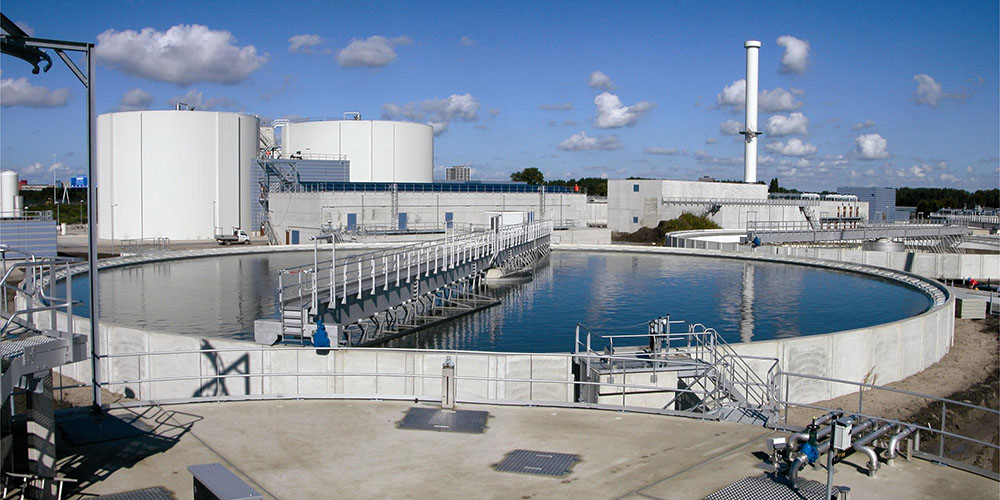
Wastewaters generated in the industrial sector have serious effects on the environment. Discharging these wastewaters into nature can lead to contamination of water sources, harm to aquatic life, and disruption of ecosystems. Additionally, the chemicals contained in industrial wastewaters can cause soil pollution and damage to agricultural products.
The adverse effects of industrial wastewaters on the environment can also contribute to the reduction of water sources and water scarcity. In such cases, human health and agricultural activities may be negatively affected. Therefore, the effects of industrial wastewaters should be taken seriously, and eco-friendly wastewater management techniques should be employed.
Effects of Industrial Wastewaters
To prevent the adverse effects of industrial wastewaters on nature and human health, proper management of wastewater at its source and within the facility is crucial. Wastewaters should be cleaned using chemical and physical treatment methods, allowing for recycling. This way, the negative impact of industrial wastewaters on the environment can be minimized, and a sustainable wastewater treatment method can be implemented. Additionally, recycling and reusing wastewater can contribute to the conservation of water resources and the establishment of a sustainable environmental policy.
Eco-Friendly Wastewater Management Techniques
Eco-friendly wastewater management techniques are crucial for minimizing the negative effects of industrial wastewaters on the environment and protecting water sources. Among these techniques are wastewater recycling, sustainable wastewater treatment methods, and the reuse of wastewater.
Wastewater recycling is an eco-friendly approach that allows wastewater to be transformed into reusable water sources. This reduces the consumption of drinking water and helps preserve natural water sources.
Sustainable wastewater treatment methods aim to efficiently treat industrial wastewaters, minimizing the release of harmful substances into nature. This approach can reduce water pollution and environmental impacts, helping to protect water sources.
Finally, the reuse of wastewater is an eco-friendly approach. Especially in industrial facilities, reprocessing wastewater for use in internal processes or areas such as irrigation allows for the efficient utilization of water.
Sustainable Wastewater Treatment Methods
Sustainable wastewater treatment methods are techniques used to reduce environmental impacts and protect water sources. These methods contribute to the conservation of natural resources, minimize water pollution, and promote recycling and usage.
Sustainable techniques within wastewater treatment processes may include physical, chemical, and biological processes. Among these methods are membrane filtration, the use of activated carbon, UV disinfection, and plant-based treatment systems. Sustainable wastewater treatment methods ensure the purification of wastewater while preventing the depletion of natural resources and preserving the ecosystem.
These methods also enable the recovery of wastewater, helping to prevent water crises and promoting sustainable water use. The widespread use of sustainable wastewater treatment methods contributes to increasing environmental awareness, reducing water pollution, and maintaining the balance of the natural ecosystem.
Wastewater Recycling and Reuse
Wastewater recycling and reuse have become increasingly important environmental issues today. Wastewaters generated due to industrial facilities, agricultural activities, and domestic waste create significant pressure on natural water sources. However, wastewater recycling and reuse are essential steps for conserving water sources and implementing sustainable water management.
The recycling of industrial wastewaters primarily involves improving the quality of wastewater and making it usable. This process includes using physical, chemical, and biological treatment methods to purify wastewater from pollutants. After treatment, the purified water can be reused in industrial facilities or utilized as irrigation water in agricultural activities.
Additionally, the recycling of domestic wastewaters is crucial. Wastewater cleaned in treatment facilities can be reused as drinking water or utilized for irrigation purposes. This reduces the extraction of water from natural sources and minimizes environmental damage.
The recycling and reuse of wastewater play a critical role in preventing water crises and preserving water sources. Therefore, effective strategies for the recycling and reuse of all types of wastewater, from industrial facilities to domestic waste, should be developed and implemented.


No comment