


Breeding chemicals are chemicals used in agriculture to increase efficiency, protect plants against diseases, and improve the quality of agricultural products. These chemicals support efficient farming practices by promoting plant growth. Breeding chemicals play a crucial role in plant productivity and are essential for the sustainability of the agricultural sector.
Role of Breeding Chemicals
The role of breeding chemicals is to enhance productivity by increasing plants’ nutrient intake, photosynthesis activity, and resistance to diseases. Additionally, these chemicals regulate water and nutrient uptake, accelerating plant growth. This allows agricultural products to grow faster and more efficiently.
Breeding chemicals also play a significant role in the storage process of agricultural products. They extend the shelf life of products, minimize quality loss, and provide consumers with healthier products. Therefore, the role of breeding chemicals is crucial in agricultural production and the food industry. To achieve increased productivity and obtain quality and healthy agricultural products, these chemicals must be used correctly.
Chemicals Used in Steam Production
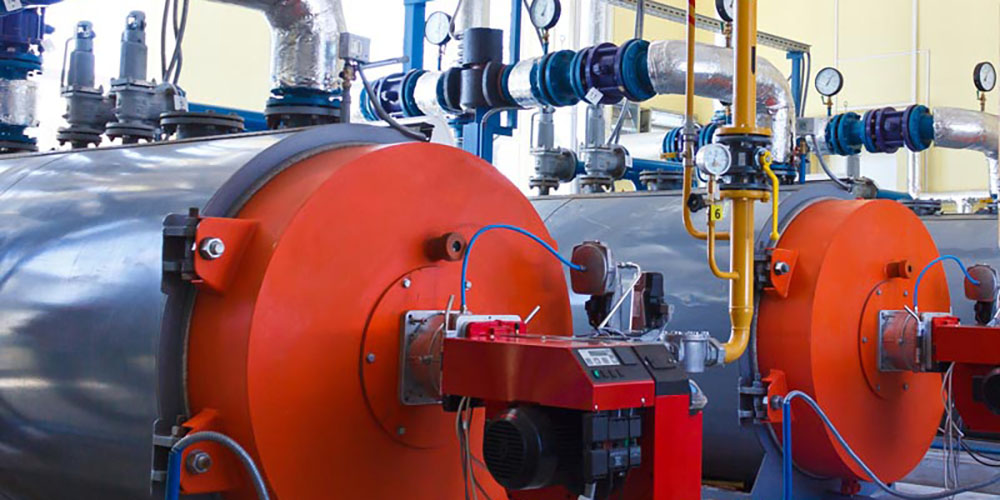
Steam plays a crucial role in industrial facilities and energy production. The chemicals used in steam production are vital for the efficiency and safety of this process. The careful selection and proper application of chemicals used in steam production ensure the longevity of the facility.
The selection of appropriate chemicals for process efficiency directly impacts the facility’s performance and can reduce steam production costs. Therefore, the choice of chemicals used in steam production should be made with great care.
Commonly used chemicals in steam production include water treatment chemicals. These chemicals purify water from lime, rust, and other impurities, ensuring high water quality for steam production and extending the lifespan of steam boilers.
The selection of chemicals used in steam production can have a direct impact on the efficiency of the facility. Therefore, facility managers and engineering teams should collaborate with specialized suppliers of chemicals used in steam production to find the best solutions.
Impact of Breeding Chemicals on Efficiency
Breeding chemicals are specifically designed chemical components for the most efficient use in the agricultural sector. The impact of breeding chemicals on efficiency lies in accelerating the maturation process of plants, leading to higher yields. These chemicals also promote healthier plant growth by combating harmful organisms. As a result, an increase in efficiency in agricultural production is achieved.
Moreover, breeding chemicals are used in the heat treatment of food products to extend their shelf life and ensure hygiene conditions. This application in the food industry contributes to increased efficiency and prevents waste. The positive impact of breeding chemicals on efficiency is not only significant in the agricultural sector but also holds great importance in the food industry.
Furthermore, the use of breeding chemicals can reduce the need for agricultural pesticides, promoting environmentally friendly farming practices. The reduction in chemical usage prevents soil and water pollution, maintaining natural balance. The positive effect of breeding chemicals on efficiency not only increases production quantity but also contributes positively to the environment.
The impact of breeding chemicals on efficiency encourages innovative efforts in the agricultural sector, leading to the development of more sustainable and effective methods of agricultural production. The efficiency gained through the use of breeding chemicals has positive consequences not only for the agricultural sector but also for the food industry and the environment.
Ways to Increase Efficiency with Innovative Solutions
Increasing efficiency is always a priority for businesses. Innovative solutions to increase efficiency include the use of technological innovations such as automation and digitization, optimization of processes, implementation of efficiency-enhancing training programs, and the adoption of environmentally friendly practices.
Among these solutions, the utilization of technological innovations like automation and digitization can lead to the optimization of processes, reducing costs, increasing productivity, and enhancing quality. Environmental-friendly practices contribute to sustainable growth.
Businesses can reduce costs, increase productivity, and improve quality by implementing innovative solutions to increase efficiency. As a result, profitability increases, and both employee and customer satisfaction improve.
Therefore, businesses need to continuously research and implement innovative solutions. This way, they can gain a competitive advantage and adapt more easily to changing market conditions.


No comment